Welcome to Denver — the Mile High City. Whether you’ve just signed a lease, accepted a job offer, or finally made the move you’ve been dreaming about for years, there’s a lot to love about life above sea level.
Denver is one of the largest high altitude locations in the US, and altitude exposure can affect anyone, regardless of physical health.
But here’s something your moving company probably didn’t mention: your body is about to go through a real adjustment period. The elevation means there’s roughly 17% less oxygen in the air than at sea level. For most newcomers, this difference is noticeable from day one — and for some, it can become a genuine health concern. Individual physical health can influence how quickly someone adapts to altitude exposure. Understanding what to expect, how to support your body, and when to seek medical care can make all the difference in how quickly you feel at home.
Why Altitude Affects Your Body
At higher elevations, the air pressure drops and each breath delivers fewer oxygen molecules to your lungs. High altitude exposure triggers a range of physiological changes as your body adapts to the reduced oxygen availability. Your body responds by working harder — your heart beats faster, your breathing rate increases, and over time, your blood adapts by producing more red blood cells to carry oxygen more efficiently. Arterial oxygen saturation (SaO2) drops at high altitude, making it harder for the body to deliver oxygen to tissues.
This adaptation process is called acclimatization, and it takes time. For most people, the initial adjustment period lasts anywhere from a few days to two weeks. During that window, even healthy, fit individuals may feel surprisingly out of breath doing things that felt effortless back home. High altitude exposure can also increase cerebral blood flow, which may contribute to symptoms like headache.
Common Symptoms of Acute Mountain Sickness
Acute Mountain Sickness (AMS) is the medical term for the cluster of symptoms that can arise when you ascend too quickly for your body to adapt. These are the early symptoms of altitude sickness, also called acute mountain sickness. At Denver’s elevation (and the surrounding areas), AMS is relatively mild compared to what mountaineers experience at 10,000+ feet — but it’s still very real. Watch for:
• Headache, especially upon waking
• Fatigue and general weakness
• Dizziness or lightheadedness
• Nausea or loss of appetite
• Difficulty sleeping or insomnia (sleep disturbance is a common altitude sickness symptom)
• Shortness of breath during normal activity
• Increased heart rate
Most people only experience mild symptoms, but it’s important to recognize when you experience symptoms that could indicate developing acute mountain sickness.
These altitude sickness symptoms typically peak in the first 24 to 48 hours and gradually subside as your body adjusts. In the meantime, they can feel pretty miserable — especially when you’re also trying to unpack boxes, start a new job, or explore your new city. Recognizing the symptoms of altitude sickness early can help prevent more serious complications.
Tips to Prevent Altitude Sickness and Acclimatize Successfully
The good news is that most people acclimatize without any medical intervention. The following strategies can help ease the transition and get you feeling like yourself faster:
- Hydrate aggressively. Colorado’s dry, high-altitude air accelerates fluid loss. Aim for at least 3–4 liters of water per day during your first week — more if you’re physically active.
- Take it easy at first. Even if you feel fine, hold off on intense workouts, long hikes, or strenuous activities for the first 3–5 days. Give your cardiovascular system time to adapt.
- Avoid alcohol during the first few days. Alcohol amplifies the effects of altitude and significantly worsens dehydration. Even one or two drinks can trigger or intensify AMS symptoms.
- Avoid sleeping pills at high altitude. These medications can suppress breathing, delay acclimatization, and may worsen symptoms of altitude sickness.
- Eat light, carbohydrate-rich meals. Your digestive system may slow down at altitude. Lighter meals are easier to process and carbs are more efficiently converted to energy at high elevation.
- Sleep at a lower elevation if possible. If you have the flexibility, spending your first few nights slightly lower — even in the suburbs — can give your body a gentler on-ramp (adjusting your sleeping altitude can help prevent altitude sickness).
- Consider over-the-counter relief. Ibuprofen can help with altitude headaches. Talk to a provider about other prescription medications.
These strategies are important to prevent and treat altitude sickness. Ignoring early signs can lead to developing altitude sickness or worsening symptoms, which may require immediate intervention to avoid severe complications.
High Altitude Cerebral Edema: What You Need to Know
High altitude cerebral edema (HACE) is one of the most severe forms of high altitude illness and requires immediate attention. While most people in Denver will only experience mild altitude sickness or acute mountain sickness (AMS), it’s important to be aware of HACE—especially if you plan to visit higher elevations in Colorado or have risk factors for altitude illness.
HACE occurs when the brain swells due to reduced oxygen levels at high altitude, typically above 8,000 feet (2,400 meters) above sea level. This swelling can lead to serious symptoms, including altered mental status, confusion, loss of coordination, and, in severe cases, coma. HACE is considered a medical emergency and can develop rapidly, especially after a rapid ascent or intense physical exertion.
When to Visit Urgent Care for High Altitude Pulmonary Edema
Most altitude-related symptoms are uncomfortable but manageable on your own. However, some situations warrant professional medical evaluation — and that’s exactly what Advanced Urgent Care & Occupational Medicine’s urgent care services are here for. Severe symptoms such as confusion, chest pain, or difficulty breathing may indicate a severe form of altitude sickness and require urgent attention.
Come see us if you experience:
- Severe or persistent headaches that don’t respond to over-the-counter pain relievers
- Vomiting that prevents you from staying hydrated
- Confusion, disorientation, or difficulty walking straight
- Chest tightness or pain
- Shortness of breath even while resting
- Symptoms that worsen after 48–72 hours instead of improving
- Swelling in the face, hands, or feet
If you develop more severe symptoms, such as those seen in severe AMS, HACE, or HAPE, immediate action is necessary. These more severe symptoms may include confusion, inability to walk straight, severe shortness of breath, or chest pain. In these cases, descend to a lower altitude as soon as possible and seek emergency care. Supplemental oxygen may also be needed to stabilize severe altitude illness until symptoms resolve.
The last two symptoms on that list — worsening confusion and swelling — can be signs of High Altitude Cerebral Edema (HACE) or High Altitude Pulmonary Edema (HAPE). These are the most severe forms of altitude illness, involving brain swelling (in HACE) or fluid in the lungs (in HAPE), and severe illness can progress rapidly. Severe altitude sickness and more severe illness require immediate descent and emergency treatment. If you or someone with you develops severe altitude sickness, you should descend immediately and seek emergency care. Although HACE and HAPE are rare at Denver’s elevation, they are serious conditions requiring immediate care. If you or someone with you experiences these, go to the nearest emergency room or call 911 right away.
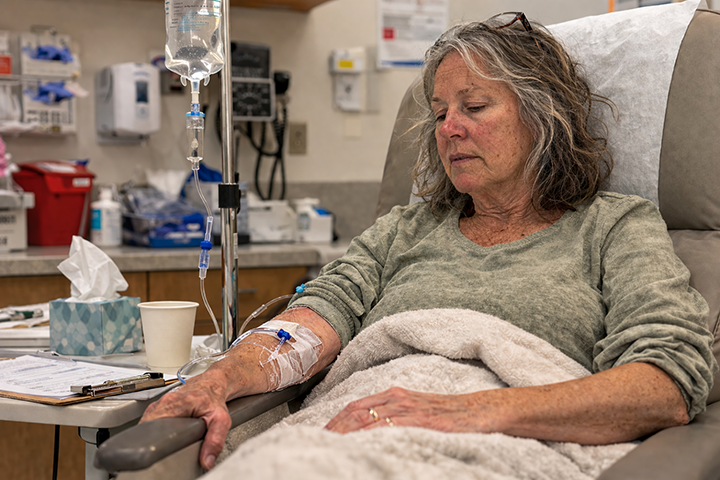
For everything else — the persistent headache, the unusual fatigue, the lingering nausea, or just the uncertainty of not knowing if what you’re feeling is normal — urgent care is the right call. Our providers can evaluate your symptoms, diagnose altitude sickness based on your history and symptom progression, rule out other causes, provide IV hydration if needed, and even see you through telehealth urgent care visits when appropriate, and give you a clear plan for feeling better. Treatment is aimed at helping your symptoms resolve as quickly as possible.
A Note for Visitors and Weekend Warriors
Altitude concerns aren’t just for new residents. If you’re visiting the Denver metro area for a conference, a ski trip, or a weekend getaway from a lower-elevation city, the same rules apply — and in some ways, the risk is higher. You don’t have the luxury of a gradual adjustment period, and many visitors underestimate the effect of altitude because Denver doesn’t “look” like a mountain destination. Acute altitude sickness can develop quickly in visitors who are not acclimatized, especially after rapid ascent.
If you’re heading further into the mountains — Breckenridge, Vail, Keystone — the elevations jump to 8,000–11,000 feet, where altitude sickness becomes significantly more likely. Locations at very high altitude pose an even greater risk for developing altitude sickness, particularly for mountain climbers and anyone who ascends rapidly. Plan ahead, hydrate before you arrive, and know where the nearest urgent care is located.
Your Denver Health Partner
At Advanced Urgent Care & Occupational Medicine, we’ve helped countless newcomers navigate the transition to life at altitude. We have multiple convenient locations throughout the Denver metro area, with extended hours and no appointment necessary. Whether you’re dealing with altitude symptoms, a minor injury, or any other non-emergency health concern, we’re here when you need us.
The Front Range is an incredible place to call home. With a little preparation and the right support, you’ll be thriving before you know it.