Measles is a highly contagious disease that can spread quickly and cause serious health complications—especially for young children, unvaccinated individuals, and those with weakened immune systems. While measles was once considered eliminated in the U.S., cases have recently resurfaced, including here in Colorado.
At Advanced Urgent Care & Occupational Medicine, we’re committed to helping our communities stay informed, protected, and prepared. In this post, we’ll cover the basics of measles, how to treat and prevent it, what the Colorado Department of Public Health and Environment (CDPHE) requires, and how urgent care centers like ours play a key role in stopping its spread.
What Is Measles?
Measles is a viral infection spread through the air when an infected person coughs or sneezes. The virus can linger in the air or on surfaces for up to two hours—making it extremely contagious. Most people who are not immune will get measles if they’re exposed.
Early signs of measles include:
- High fever (often 104°F or higher)
- Cough
- Runny nose
- Red, watery eyes
After a few days, a red rash appears—starting on the face and spreading to the rest of the body. White spots called Koplik spots may also show up inside the mouth.
Complications can be serious, especially in children under 5 and adults over 20, and can include:
- Pneumonia
- Ear infections
- Diarrhea
- Brain swelling (encephalitis)
- Hospitalization or even death in rare cases
How Is Measles Treated?
There’s currently no specific antiviral treatment for measles, but symptoms can be managed with supportive care. If you or a loved one has measles, it’s important to rest, stay hydrated, and avoid spreading the illness to others.
Treatment may include:
- Fever-reducing medications (like acetaminophen or ibuprofen)
- Fluids to prevent dehydration
- Vitamin A supplements (especially for children, per World Health Organization guidelines)
Important: If you think you may have measles, call or text ahead before visiting a clinic, so we can safely prepare and prevent potential exposure to other patients.
Prevention: Vaccination Is the Best Protection
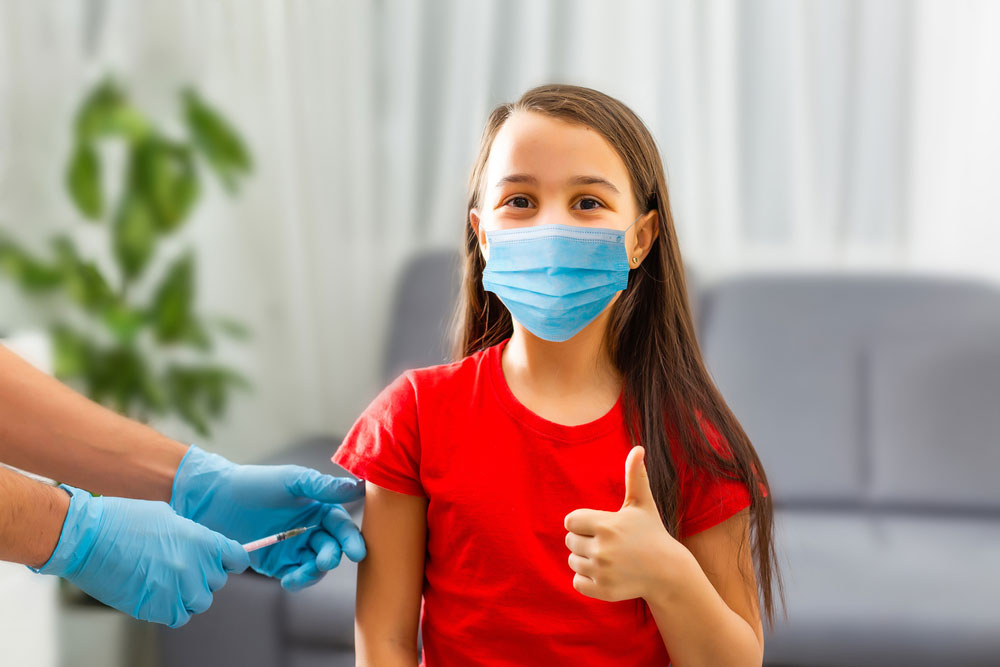
The most effective way to prevent measles is through the MMR vaccine, which protects against measles, mumps, and rubella. The vaccine is safe, widely available, and highly effective—about 97% after two doses.
Recommended vaccination schedule:
- First dose: 12 to 15 months of age
- Second dose: 4 to 6 years of age
Adults who haven’t been vaccinated or don’t know their immunization status should talk to a healthcare provider. At Platte River Medical Clinic, our family care practice in Brighton, we offer MMR vaccinations for children and adult patients.
If you’ve been exposed to measles, getting the MMR vaccine within 72 hours may help reduce symptoms or prevent illness altogether.
How Urgent Care Clinics Help in Measles Prevention and Response
Urgent care centers are often the first place families turn when symptoms appear. We’re equipped to:
- Evaluate symptoms quickly to identify potential measles cases
- Isolate and protect patients to prevent exposure to others
- Provide MMR vaccinations on-site
- Report suspected cases to public health authorities in accordance with state guidelines
Because time matters in controlling outbreaks, our team works closely with CDPHE to ensure rapid response and follow-up care.
CDPHE Requirements: What You Need to Know
The CDPHE plays a vital role in tracking and controlling infectious diseases like measles. Here’s what they require if a case is suspected or confirmed:
- Immediate reporting of suspected cases by healthcare providers
- Coordination with labs for diagnostic testing
- Home isolation for those who are infected to prevent further spread
- Exclusion from school or work for unvaccinated individuals who may have been exposed
- Public health notifications if there is risk of broader exposure
At Advanced Urgent Care & Occupational Medicine, we follow all CDPHE guidelines to ensure the safety of our patients and the larger community.
When Should You Visit an Urgent Care for Measles Concerns?
You should contact urgent care right away if:
- You or your child develop measles-like symptoms (fever, rash, cough)
- You’ve been exposed to someone with measles
- You’re unsure of your vaccination status
- You or your child need an MMR vaccine or catch-up immunization
Important: Please call us before coming in if you suspect measles, so we can take steps to protect other patients and our staff.
Protect Yourself and Your Community
At Advanced Urgent Care, we believe prevention starts with awareness and access. Here’s what you can do today:
- Make sure your MMR vaccinations are up to date
- Know the signs and symptoms of measles
- Call ahead if you’re concerned about symptoms
- Encourage friends and family to stay vaccinated
- Stay informed about local health alerts from CDPHE
Visit Us for Measles Care and Prevention
If you have questions about measles symptoms, need a vaccination, or are concerned about possible exposure, we’re here to help. You can visit our primary care clinic to receive a vaccination or our urgent care clinic if you’re concerned about an exposure.
All of our providers are trained to recognize measles, take appropriate precautions, and offer clear guidance based on the latest public health recommendations.