Experiencing a bump to the head can be alarming, even if it seems minor at first. At Advanced Urgent Care & Occupational Medicine in Thornton, CO, and Aurora, CO, where multiple providers serve communities across Colorado, many people have questions about when a head injury requires medical attention. While most minor bumps result in nothing more than temporary discomfort, it’s important to understand the signs that may indicate a more serious problem. Recognizing the difference can help protect your health and prevent complications.
Understanding Head Injuries
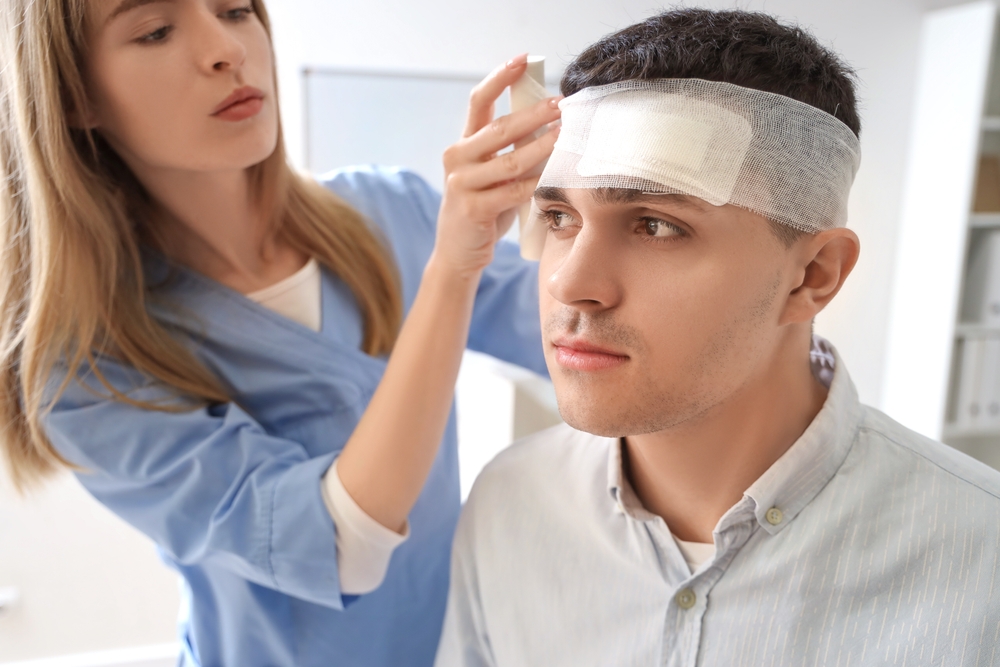
Head injuries vary widely in severity, ranging from minor bumps and bruises to concussions or more serious traumatic brain injuries. The most common causes of head injuries include falls, car accidents, motor vehicle accidents, sports injuries, and child abuse.
Even seemingly minor impacts can cause internal injuries that aren’t immediately visible. Trauma can damage blood vessels in the brain, leading to internal bleeding or blood clots. The brain is a delicate organ, and any sudden movement inside the skull can lead to swelling, bleeding, or other damage.
Mild head injuries often result in symptoms such as brief dizziness, a mild headache, or temporary confusion. While these may seem insignificant, they still require careful monitoring. Other head injuries, such as skull fractures or shaken baby syndrome, can result from a traumatic event and may be life threatening. More severe injuries can lead to persistent vomiting, worsening headaches, vision changes, or loss of consciousness. A severe head injury can require immediate medical attention. Understanding the mechanism of the injury—such as the force of impact or whether the head hit a hard surface—can provide clues about potential risk and necessary precautions.
Common Symptoms to Watch For
Recognizing symptoms of a serious head injury is critical. Some warning signs may appear immediately, while others can develop hours or even days later. Physical symptoms such as headache, dizziness problems, and balance nausea problems are common after a head injury and may indicate the severity of the trauma. Common symptoms include headache, nausea, dizziness, blurred vision, confusion, and memory problems. In more serious cases, symptoms can include slurred speech, difficulty walking, weakness on one side of the body, or repeated vomiting. Other symptoms may also develop, such as sensitivity to light or sound, sleep disturbances, or mood changes.
It’s also important to monitor changes in behavior or mood. Irritability, unusual drowsiness, or difficulty concentrating can indicate that the brain is affected by trauma. Even if the initial bump seemed minor, a sudden worsening of any of these symptoms should prompt urgent medical evaluation.
When to Seek Medical Attention
While minor bumps often heal on their own, certain circumstances warrant immediate medical evaluation. If the individual loses consciousness, experiences seizures, or has trouble breathing, professional care is necessary without delay. Persistent or worsening headaches, repeated vomiting, or confusion are also red flags.
Parents and caregivers should be especially cautious with children, as symptoms may be harder to recognize. Monitoring for changes in behavior, coordination, or responsiveness is essential. Additionally, anyone taking blood-thinning medication or with a history of brain injury should exercise extra caution, as complications can develop more easily in these situations. Head injuries may also occur alongside other injuries, which should be evaluated by medical professionals to ensure comprehensive care.
Preventing Complications After a Head Injury
Even after a seemingly minor bump, certain measures can help reduce the risk of complications. Rest and limited physical activity immediately following a head injury allow the brain time to recover. Avoiding activities that could result in another impact is important, as repeated trauma can increase the risk of long-term problems.
In some cases, doctors may monitor the pressure inside the skull to prevent further brain damage from swelling, especially if symptoms worsen or there are signs of increased intracranial pressure.
Keeping a log of symptoms can also be helpful for healthcare providers to evaluate the injury over time. Noting the time of impact, symptom onset, and any changes in condition ensures that patterns are clearly communicated to medical professionals if further evaluation becomes necessary.
Long-term Effects and Rehabilitation
The impact of a head injury can extend far beyond the initial trauma, especially in cases of traumatic brain injury (TBI) or more severe head injuries. While many people with mild head injuries recover fully within a few weeks, others may experience lasting effects that require ongoing care and rehabilitation. According to the National Library of Medicine, repeated head injuries—such as those sustained in contact sports or through repeated falls—can significantly increase the risk of developing neurological disorders and permanent brain damage.
Severe head injuries, including skull fractures and injuries that cause bleeding or swelling in the brain tissue, can lead to long-term impairment of brain function. Symptoms may appear immediately after the injury occurred or develop gradually over time, sometimes weeks later. Common long-term symptoms include persistent headaches, severe dizziness, trouble walking, loss of balance, slurred speech, and ongoing nausea or vomiting. In some cases, individuals may experience changes in mood, memory, or sleeping patterns, and may be at higher risk for other disorders such as depression or anxiety.
Older adults and those with underlying health conditions like high blood pressure or diabetes are particularly vulnerable to severe injuries and complications. Additionally, certain medicines—such as blood thinners—can increase the risk of bleeding in the brain after head trauma. For these individuals, even a mild TBI can have serious consequences, making it crucial to seek emergency care if symptoms occur.
Rehabilitation after a brain injury often involves a team of healthcare professionals, including family physicians, neurologists, and physical therapists. Imaging tests like CT scans or MRI provide detailed images of the brain, helping to diagnose the extent of injury and guide treatment. In some cases, prescription medications or even neck surgery may be necessary to manage symptoms or prevent further complications. If cerebrospinal fluid leaks are suspected—indicated by clear fluid draining from the nose or ears—immediate medical attention is essential.
Preventing head injuries is always preferable to treating them. Simple steps like wearing seat belts in vehicles, using helmets during sports or cycling, and practicing concussion prevention strategies can greatly reduce the risk. For athletes, following a gradual return-to-play protocol after a concussion is critical to avoid second impact syndrome and further brain damage. Managing chronic health conditions and avoiding violent behavior are also important ways to prevent head injuries.
If you or a loved one experiences symptoms such as repeated vomiting, severe headache, loss of consciousness, or weakness in the arms or legs after a head injury, seek emergency care immediately. Early intervention and a comprehensive rehabilitation plan can make a significant difference in recovery and long-term brain health. For ongoing support and expert care, Advanced Urgent Care & Occupational Medicine is here to help you navigate the challenges of head injury recovery and prevention.
Conclusion
A bump to the head should never be ignored, even if it seems minor at first. Understanding the symptoms, monitoring changes, and knowing when to seek care are essential steps in protecting brain health. Residents across Colorado can stay informed about head injuries with guidance from resources like Advanced Urgent Care & Occupational Medicine in Thornton, CO, where multiple providers understand the importance of safety and awareness. Being proactive about head health ensures the best outcomes after any injury.
Resources
McCrory, P., Meeuwisse, W., Dvořák, J., Aubry, M., Bailes, J., Broglio, S., … & Vos, P. E. (2017). Consensus statement on concussion in sport—the 5th international conference on concussion in sport held in Berlin, October 2016. British Journal of Sports Medicine.
Giza, C. C., & Hovda, D. A. (2014). The new neurometabolic cascade of concussion. Neurosurgery.
Langlois, J. A., Rutland-Brown, W., & Wald, M. M. (2006). The epidemiology and impact of traumatic brain injury: a brief overview. The Journal of Head Trauma Rehabilitation.