
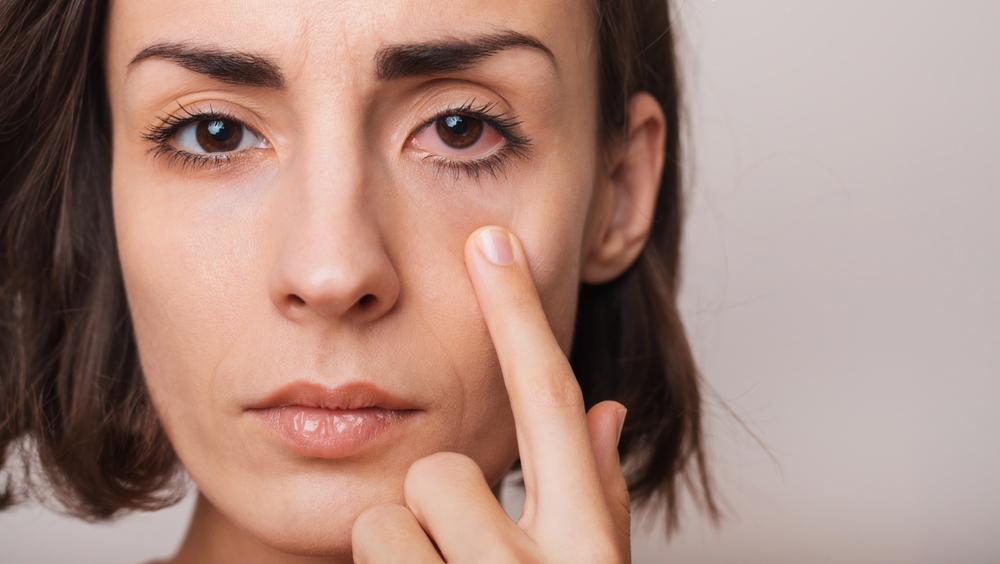
Red, irritated eyes are a common complaint—and in most cases, they’re caused by something minor like dryness, allergies, or fatigue. But sometimes, eye redness or discomfort can be a sign of an infection, injury, or other condition that needs medical attention.
If you’ve noticed that your eye feels irritated, looks bloodshot, or is producing unusual discharge, it may be time to look closer at what’s causing it and whether a provider should evaluate your symptoms.
Common Causes of Eye Redness and Irritation
There are many possible reasons why an eye might appear red or feel uncomfortable. Some of the most common include:
- Dry eyes – Often caused by screen time, wind, or dry indoor air
- Allergies – Pollen, dust, or pet dander can trigger itchy, watery eyes
- Pink eye (conjunctivitis) – An infection that causes redness, swelling, and discharge
- Contact lens irritation – Wearing contacts too long or failing to clean them properly
- Foreign object – Dust, dirt, or debris in the eye
- Blepharitis – Inflammation of the eyelids that can cause burning or crusting
- Subconjunctival hemorrhage – A broken blood vessel that looks alarming but is usually harmless
While most of these causes are not serious, symptoms can sometimes be difficult to interpret without a medical exam.
When to Monitor Symptoms at Home
Mild eye redness or irritation may resolve on its own, especially if related to dryness or allergies. Consider trying the following at-home measures:
- Apply a cool, damp cloth to the eyes
- Use lubricating eye drops (artificial tears)
- Take regular screen breaks to rest your eyes
- Avoid rubbing the eyes, which can make irritation worse
- Rinse out the eye with clean water if exposed to dust or wind
If symptoms improve within a day or two and there is no pain or discharge, home care is often enough.
When to See a Provider
It’s important to know when redness or discomfort could be a sign of something more serious. Contact a provider if you experience:
- Eye pain or sensitivity to light
- Blurred vision or sudden changes in vision
- Thick yellow, green, or white discharge
- Swelling around the eye or eyelid
- A gritty or scratchy feeling that doesn’t go away
- Symptoms that get worse or don’t improve within a few days
- A recent injury or chemical exposure involving the eye
These symptoms may indicate an infection, inflammation, or injury that requires prompt evaluation and treatment.
Eye Redness in Children
Children are also prone to eye irritation, especially in group settings like school or daycare. If a child wakes up with red eyes, discharge, or crusted eyelashes, it may be a sign of conjunctivitis.
Viral pink eye is very contagious and often spreads easily in school environments. Bacterial pink eye may require prescription eye drops, while allergic conjunctivitis usually improves with antihistamines and eye lubrication. If you’re unsure of the cause, a provider can help determine what’s going on and advise when it’s safe for your child to return to school.
Preventing Eye Irritation
Good eye hygiene can help reduce the risk of irritation or infection:
- Wash your hands before touching your eyes or face
- Avoid sharing towels, makeup, or contact lens cases
- Clean contact lenses as directed and replace them on schedule
- Wear protective eyewear in dusty or hazardous environments
- Use sunglasses to protect eyes from wind and UV exposure
If you wear contact lenses and experience redness or pain, remove them immediately and switch to glasses until a provider clears you to resume use.
Don’t Ignore Ongoing Eye Issues
Eye redness may seem minor, but it’s not always something to brush off—especially if symptoms linger or affect your vision. If your eye feels uncomfortable, looks noticeably different, or produces unusual discharge, it’s worth getting checked.
In the Thornton, CO area, providers from Advanced Urgent Care are available to evaluate eye concerns and help you get relief while protecting your long-term eye health.